



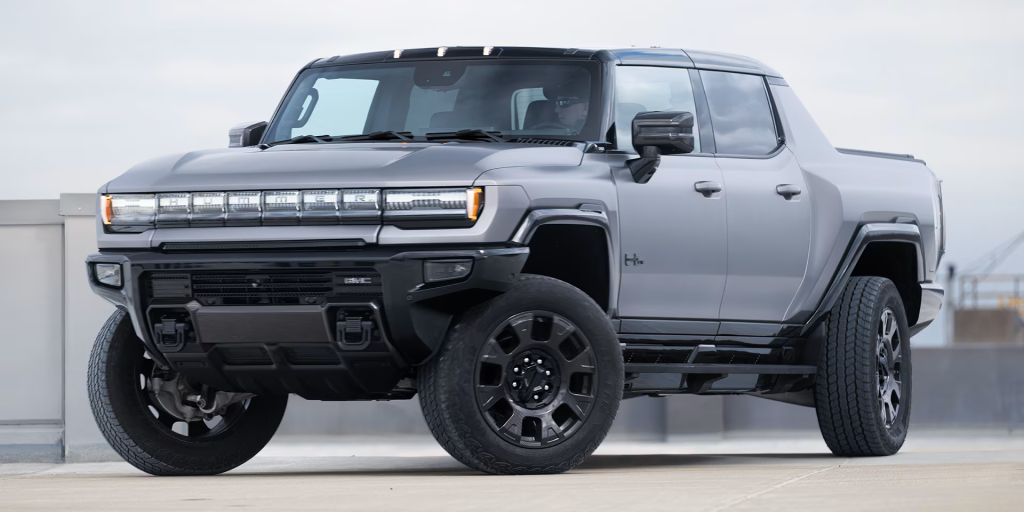
If you are researching electric vehicles in Chicagoland, one question comes up more than almost any other: How long do EV batteries actually last?
The short answer is encouraging: modern electric vehicle (EV) batteries are engineered to outlast the typical owner’s duration with the vehicle. While all lithium-ion cells lose a minor percentage of capacity over time, today’s advanced liquid-cooled EV battery platforms are built to last 15 to 20 years or well over 150,000 to 200,000 miles under normal driving conditions.
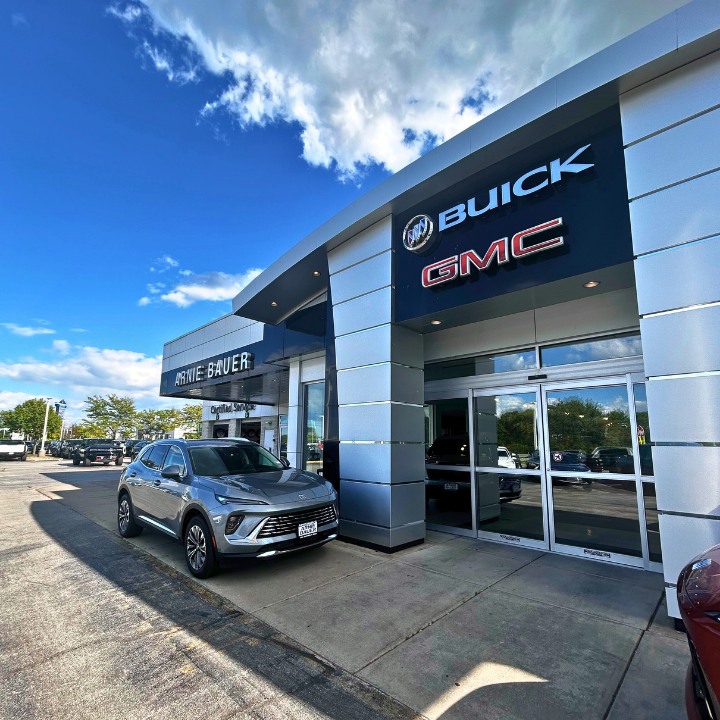
At Arnie Bauer Buick GMC in Matteson, IL, we help drivers from Tinley Park, Frankfort, Homewood, Olympia Fields, Richton Park, Mokena, Orland Park, Country Club Hills, Park Forest, and Chicago’s South Suburbs navigate EV ownership every day. Whether you are eyeing a new GMC Sierra EV, GMC HUMMER EV Pickup, GMC HUMMER EV SUV, or a quality pre-owned electric vehicle, understanding battery longevity allows you to shop with complete confidence.
Quick Answer: How Long Does an EV Battery Last?
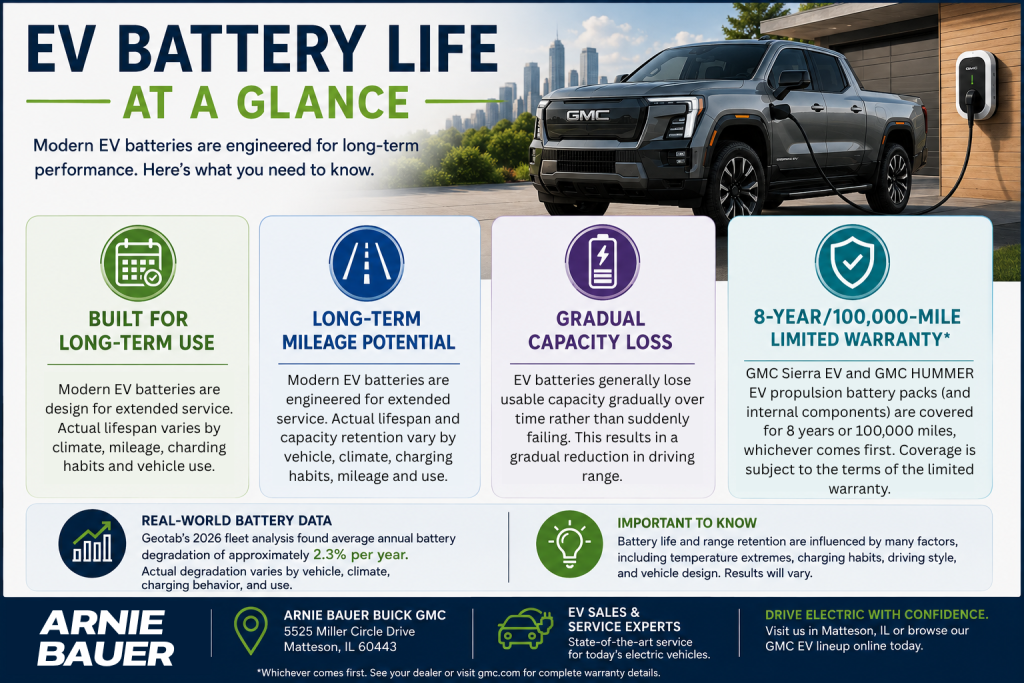
Most modern EV batteries are engineered to last 15 to 20 years and 150,000 to 200,000+ miles. According to long-term EV fleet studies by Geotab, modern EV batteries experience an average capacity degradation of just 1.8% to 2.3% per year. In General Motors vehicles, high-voltage battery packs are backed by an 8-year/100,000-mile limited warranty.
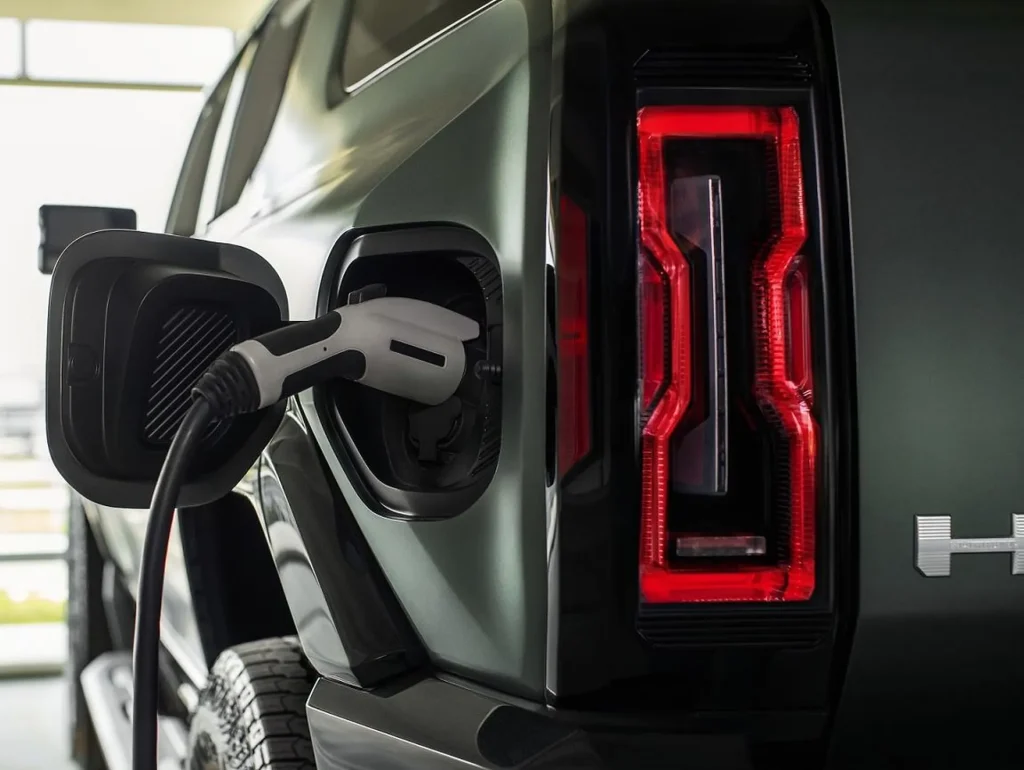
How Long Does an Electric Vehicle Battery Last?
Most modern electric vehicles utilize advanced lithium-ion battery packs featuring nickel-manganese-cobalt (NMC) or lithium-iron-phosphate (LFP) chemistries. While similar in chemistry to consumer electronics, automotive-grade EV batteries operate on a vastly superior level of thermal management, structural defense, and control software.
Real-world operational data demonstrates that modern EV batteries deliver:
- 15–20 years of operational service under standard driving habits.
- 150,000 to 200,000+ miles prior to experiencing significant range loss.
- Thousands of charge cycles supported by intelligent Battery Management Systems (BMS).
For the vast majority of drivers in Chicago’s South Suburbs, the high-voltage battery pack will remain functional long past the time they trade in or sell the vehicle.
Do EV Batteries Suddenly Stop Working?
No. A common misconception among prospective EV buyers is that an electric car battery dies suddenly, like a cell phone battery dropping from 20% to 0%.
Instead, EV batteries degrade gradually over many years. The vehicle operates normally; the primary difference over time is a slight reduction in maximum driving range.
For example: An electric truck or SUV with an original EPA-estimated range of 400 miles may still deliver over 340–360 miles of range after a decade of severe winter and summer driving. Given that the average American drives approximately 37 miles per day (per Federal Highway Administration data), this minor drop has virtually zero impact on daily commutes, local errands, or weekend road trips.
How Fast Do EV Batteries Degrade?
Battery degradation is a natural chemical process, but it occurs much slower than many drivers anticipate.
Data shows that EV batteries lose their highest relative percentage of capacity during the first 1–2 years (typically 2% to 3%). After this initial break-in period, the degradation curve flattens significantly.
Long-term analyses conducted by the U.S. Department of Energy (DOE) and independent vehicle telematics firms reveal that modern EVs retain 80% to 90% of their original capacity after 100,000+ miles.
What Factors Affect EV Battery Life in Illinois?
Several environmental and operational factors influence long-term battery health:
1. Illinois Weather & Winter Temperatures
Matteson drivers often ask if harsh Will County and Cook County winters cause permanent battery damage.
Sub-zero temperatures temporarily slow down lithium-ion chemical reactions and increase cabin heating demands, which reduces range during cold snaps. However, cold weather does not cause permanent battery damage.
Extreme summer heat actually poses a greater long-term challenge to battery longevity than cold weather. To combat this, GM’s Ultium platform utilizes advanced active liquid thermal management that continuously cools or warms the battery modules as needed—protecting long-term cell health whether you are parked in a hot Illinois summer sun or a frozen January driveway.
Expert Service Insight
“Our Certified EV Technicians inspect battery telemetry during routine tire rotations and multi-point checks. Thanks to active liquid-cooling systems in modern GMC EVs, the thermal degradation we see in local Chicagoland vehicles—even through extreme winter freezes—is minimal.”
2. Charging Habits (Level 2 vs. DC Fast Charging)
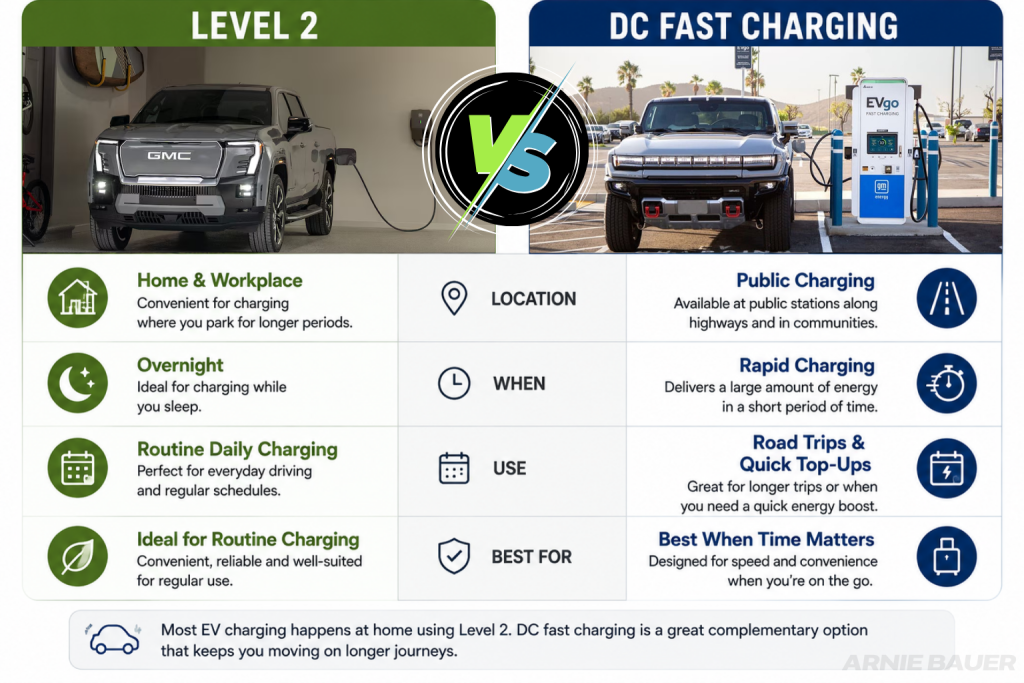
- Level 2 AC Charging (240V): Recommended for daily home charging. Setting your vehicle’s charge limit to 80% for routine daily commutes reduces chemical stress on the cells.
- DC Fast Charging (DCFC): Ideal for highway road trips. While occasional fast charging is safe, relying exclusively on high-kW DC fast chargers for all charging needs over several years can accelerate minor cell degradation.
3. Battery Management Systems (BMS)
Modern GMC electric vehicles feature automated BMS software that operates continuously in the background:
- Balances energy across individual battery modules.
- Regulates high-voltage charging speeds based on ambient temperature.
- Prevents total deep discharge or overcharging.
What Warranty Covers a GMC EV Battery?
To safeguard buyers against premature manufacturing defects, General Motors provides robust factory warranty coverage:
- Coverage Term: 8 Years or 100,000 Miles (whichever comes first).
- Inclusions: Covers the high-voltage propulsion battery pack, internal modules, thermal management systems, and battery control hardware.
- Defect Protection: If battery capacity falls below the manufacturer’s threshold due to a covered defect within the warranty period, the battery pack or defective module will be repaired or replaced by a certified dealership.
Can an EV Battery Be Repaired, or Must It Be Replaced?
If an issue arises, complete battery replacement is rarely required.
Unlike early electric vehicles that featured sealed, monolithic battery packs, GM’s modular architecture allows certified dealership technicians to diagnose and replace individual battery modules. Replacing a single module restores pack balance at a fraction of the cost and carbon footprint of a full battery replacement.
5 Best Practices to Maximize Your EV Battery Life
- Follow the 80% Rule: For everyday driving around Matteson and surrounding towns, cap daily home charging at 80%. Save 100% charging for longer highway road trips.
- Utilize Home Level 2 Charging: Charge overnight using a installed home charger rather than relying solely on public fast chargers.
- Precondition in Winter: Use your GMC vehicle app to precondition the battery while plugged in prior to leaving on cold winter mornings.
- Avoid Extreme States of Charge: Avoid leaving your EV parked for extended periods with 0% charge or 100% charge in severe summer heat.
- Keep Software Updated: Install over-the-air (OTA) software updates promptly to ensure your Battery Management System has the latest thermal control algorithms.
Frequently Asked Questions
How long do GMC EV batteries last?
GMC electric vehicle batteries are engineered to last 15 to 20 years or well over 150,000 to 200,000 miles. They are backed by an 8-year/100,000-mile GM limited battery warranty.
Do EV batteries lose range over time?
Yes, all lithium-ion batteries undergo minor degradation. However, modern EVs degrade slowly—averaging approximately 1.8% to 2.3% loss per year—retaining 80% to 90% of original capacity past 100,000 miles.
Does Chicago winter weather permanently damage an EV battery?

No. Cold temperatures temporarily reduce driving range during winter months due to battery cell chemistry slowdown, but cold weather does not cause permanent cell damage. Modern GMC EVs feature active liquid heating and cooling to regulate battery temperatures year-round.
Should I charge my EV to 80% or 100% for daily driving?
For routine daily commuting near Matteson, set your target charge limit to 80% to maximize long-term battery lifespan. Charge to 100% before starting extended road trips.
Can an EV battery pack be repaired instead of replaced?
Yes. GM’s modular EV architecture enables certified technicians to replace individual failing battery modules rather than replacing the entire high-voltage assembly.
Why Buy Your EV from Arnie Bauer Buick GMC in Matteson, IL?
When transitioning to an electric vehicle, working with an experienced, EV-certified dealership ensures you receive accurate advice on charging, maintenance, and vehicle selection.
For over 80 years, Arnie Bauer Buick GMC has served drivers across Matteson, Tinley Park, Frankfort, Homewood, Mokena, and Chicago’s South Suburbs. Our team offers:
- Certified EV Specialists: Expert guidance on home Level 2 installation, public charging networks, and tax incentives.
- Master EV Technicians: State-of-the-art service bays equipped with high-voltage diagnostic gear.
- Full GMC EV Lineup: Test drive the groundbreaking GMC Sierra EV, GMC HUMMER EV Pickup, GMC HUMMER EV SUV, or explore our certified pre-owned inventory.
Visit Arnie Bauer Buick GMC today at 5525 Miller Circle Drive in Matteson, IL, or browse our new EV inventory online to start your electric driving journey.
Connect with us


