


Check Engine Light On in Your Buick or GMC? What It Means and When to Worry
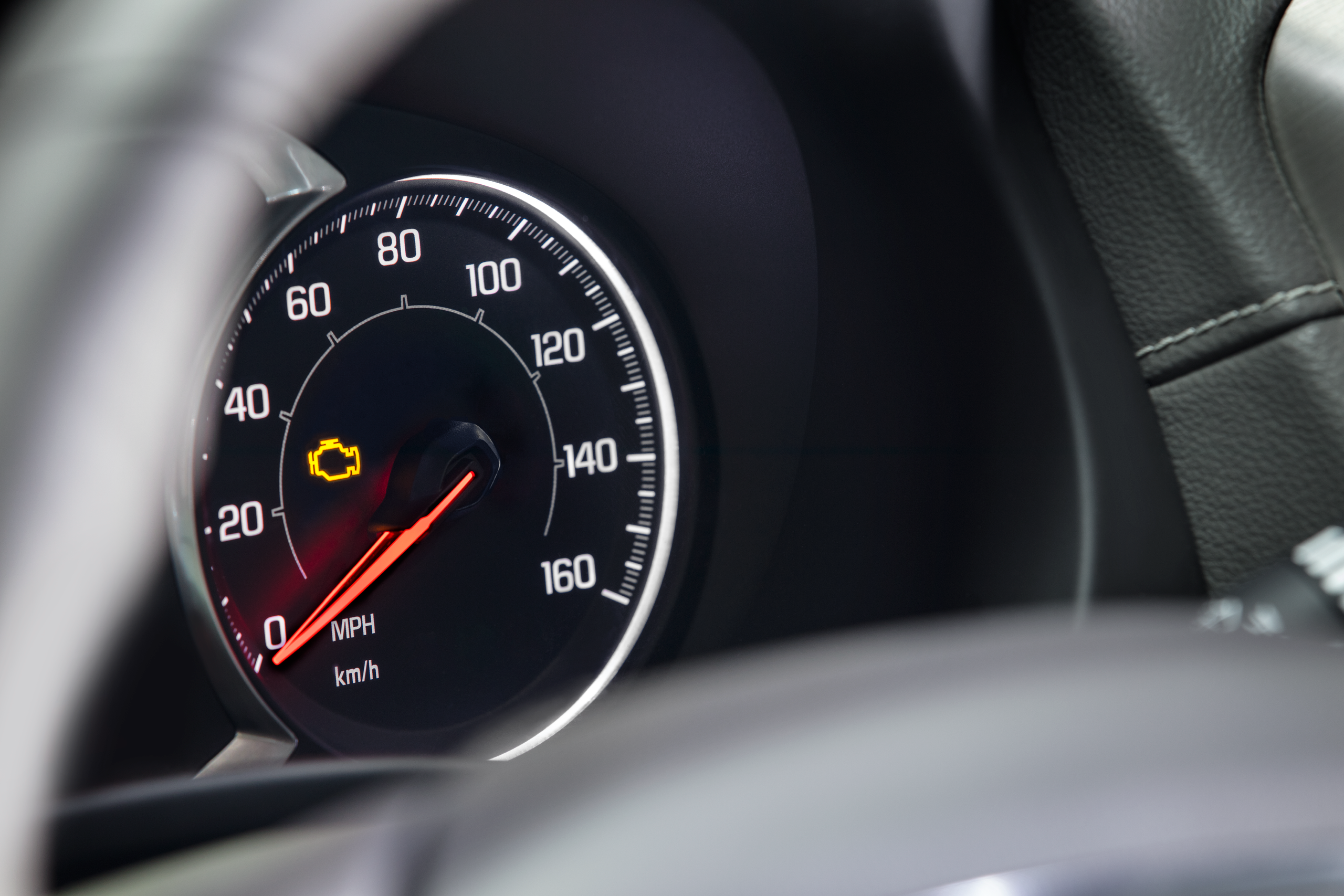
Few things change the mood of a morning commute down Cicero Avenue faster than an amber engine symbol lighting up on the dash. The check engine light is one of the most common reasons drivers from Matteson, Olympia Fields, Richton Park, and Tinley Park visit our service drive—appearing on everything from a newer Buick Envista to a high-mileage GMC Sierra.
The good news is that the light is an early warning message, not an immediate verdict. Understanding what the light is signaling helps you protect your engine, avoid costly catalytic converter damage, and decide how quickly to schedule service.
What Does the Check Engine Light Mean on a Buick or GMC?
On a Buick or GMC, an illuminated check engine light—technically called the Malfunction Indicator Lamp (MIL)—means the Engine Control Module (ECM) has detected a sensor reading or system performance value outside factory specifications and stored an OBD-II Diagnostic Trouble Code (DTC).
Modern General Motors powertrains continuously monitor fuel trim, ignition timing, turbocharger boost, exhaust oxygen levels, and evaporative emissions. When a reading falls out of range, the computer logs a trouble code and captures "freeze-frame" data—a snapshot of engine temperature, RPM, and vehicle speed at the exact moment the fault occurred. While a basic code points toward the affected circuit or system, hands-on pinpoint testing is required to confirm which specific part failed.
Solid vs. Flashing Check Engine Light: How Urgent Is It?
A solid check engine light indicates a non-emergency fault that should be diagnosed soon, whereas a flashing check engine light signals an active engine misfire that can rapidly overheat and destroy your catalytic converter.
| Dashboard Warning Status | What Is Happening | Safe to Drive? | Recommended Action |
|---|---|---|---|
| Solid Amber Light (Normal performance) |
An emissions, sensor, or minor fuel/air fault has been stored in the ECM. | Yes, for short-term normal driving. | Check your fuel cap and schedule a diagnostic appointment within a few days. |
| Flashing Amber Light | An active cylinder misfire is dumping raw, unburned fuel into the hot exhaust system. | No—risk of severe catalytic converter damage. | Ease off the throttle immediately, avoid highway speeds or towing, and arrange immediate service or towing. |
| Solid or Flashing Light + Symptoms (Rough idle, stalling, power loss, overheating, or fuel/burning odor) |
Active mechanical, ignition, fuel delivery, or cooling system failure. | No—risk of engine damage or stranding. | Pull over safely, shut off the engine, and call our service team at 708-323-3813. |
What Are the Most Common Causes of a Check Engine Light in a Buick or GMC?
The most frequent triggers on Buick and GMC vehicles include loose or failing fuel caps, evaporative emissions (EVAP) purge valve leaks, worn spark plugs or ignition coils, oxygen or mass airflow sensors, and turbocharger intake leaks.
- Loose or worn fuel cap (or capless fuel neck seal): A compromised seal allows fuel vapors to escape, triggering EVAP leak codes such as
P0442orP0455. While many GM models display a separate "Tighten Gas Cap" message on the Driver Information Center, an aging seal can still illuminate the check engine light. - EVAP canister purge valves and vent solenoids: Common across GM SUVs and trucks, a stuck purge valve can trigger check engine codes and occasionally cause hard starting right after refueling.
- Ignition misfires (spark plugs and coil packs): Worn iridium spark plugs or a failing individual ignition coil can cause single-cylinder (
P0301–P0308) or random (P0300) misfires, resulting in rough idling and sluggish acceleration. - Oxygen (O2) and Mass Airflow (MAF) sensors: These sensors regulate the air-to-fuel ratio. When fouled or sluggish, fuel economy drops and catalytic converter efficiency codes (such as
P0420) can appear. - Turbocharger, charge-pipe, or vacuum leaks: Smaller turbocharged EcoTec engines—found in models like the Buick Encore GX, Buick Envista, and GMC Terrain—rely on tight boost plumbing. A cracked hose or sticking wastegate actuator can trigger underboost or lean-condition codes (such as
P0299orP0171). - Thermostats and engine coolant temperature sensors: If an engine takes too long to reach operating temperature (
P0128)—especially noticeable during cold Illinois mornings—the ECM flags a cooling system performance fault.
Why Illinois Weather and Emissions Rules Make Prompt Diagnosis Smart
Extreme Illinois temperature swings put extra thermal stress on rubber EVAP seals, batteries, and ignition components, while any active check engine light will automatically fail a state emissions test.
In northern Illinois, sharp drops in overnight temperatures cause rubber O-rings and intake gaskets to contract and battery voltage to dip—turning minor, borderline sensor glitches into hard starts or rough cold idles. Furthermore, under Illinois Environmental Protection Agency (IEPA) testing rules for 1996 and newer gasoline vehicles in the Chicagoland area, an illuminated check engine light is an automatic inspection failure. Addressing the fault early keeps you compliant with Illinois registration renewals and prevents minor repairs from escalating into major component failures.
What Should You Do Before Bringing Your Vehicle In?
Taking four quick steps before your service visit helps our technicians pinpoint the issue faster:
- Confirm whether the light is solid or flashing and note when it first turned on (for example, right after getting gas or during a cold start).
- Inspect your fuel cap (if equipped) to ensure it is clean, free of cracked rubber seals, and tightened until it clicks. Keep in mind it can take several drive cycles for the computer to verify the seal and turn off the light on its own.
- Note any changes in drivability, including hesitation under acceleration, rough idle at stoplights, reduced fuel economy, or unusual exhaust smells.
- Check the Driver Information Center (DIC) on your instrument cluster for secondary alerts—such as "Engine Power Is Reduced" or "Service Stabilitrak"—and share them when scheduling.
Why Choose GM-Trained Technicians for Check Engine Diagnostics?
Generic parts-store code readers only pull basic OBD-II numbers, whereas GM-certified technicians use factory GM Global Diagnostic System (GDS2) software and Technical Service Bulletins (TSBs) to test live module data and isolate the exact root cause.
At Arnie Bauer Buick GMC, our technicians work exclusively with GM architectures every day—from Enclave, Acadia, and Terrain family SUVs to Yukon and Sierra pickups. Rather than guessing and replacing expensive parts blindly, we trace the circuit, verify the mechanical or electrical fault, explain what we found in plain language, and provide clear pricing options before any repair work begins.
Frequently Asked Questions About Buick & GMC Check Engine Lights
Will my Buick or GMC pass an Illinois emissions test with the check engine light on?
No. In Illinois, an active check engine light on any 1996 or newer gasoline vehicle results in an automatic failure during the Illinois Air Team OBD inspection. Even after a repair is completed, the vehicle must be driven through specific conditions so its onboard readiness monitors reset to "Ready" before retesting.
Can I disconnect the battery or use a handheld scanner to clear the code myself?
You can clear the light temporarily, but the underlying problem will return as soon as the ECM runs its self-test again. Clearing codes also wipes out stored freeze-frame data that helps technicians diagnose intermittent faults, and it resets emissions readiness monitors—which will cause your vehicle to be rejected at an Illinois emissions station until the drive cycle is completed.
How long does a check engine light diagnostic take?
Most initial diagnostic evaluations take between 1 and 2 hours. This includes pulling all powertrain and body control module codes with GM GDS2 equipment, reviewing freeze-frame data, and performing pinpoint electrical, vacuum, or pressure tests to confirm the exact repair needed.