


Blog / Matteson Used Cars

Blog

All Matteson Used Cars Matteson GMC Dealer Matteson Buick Dealer
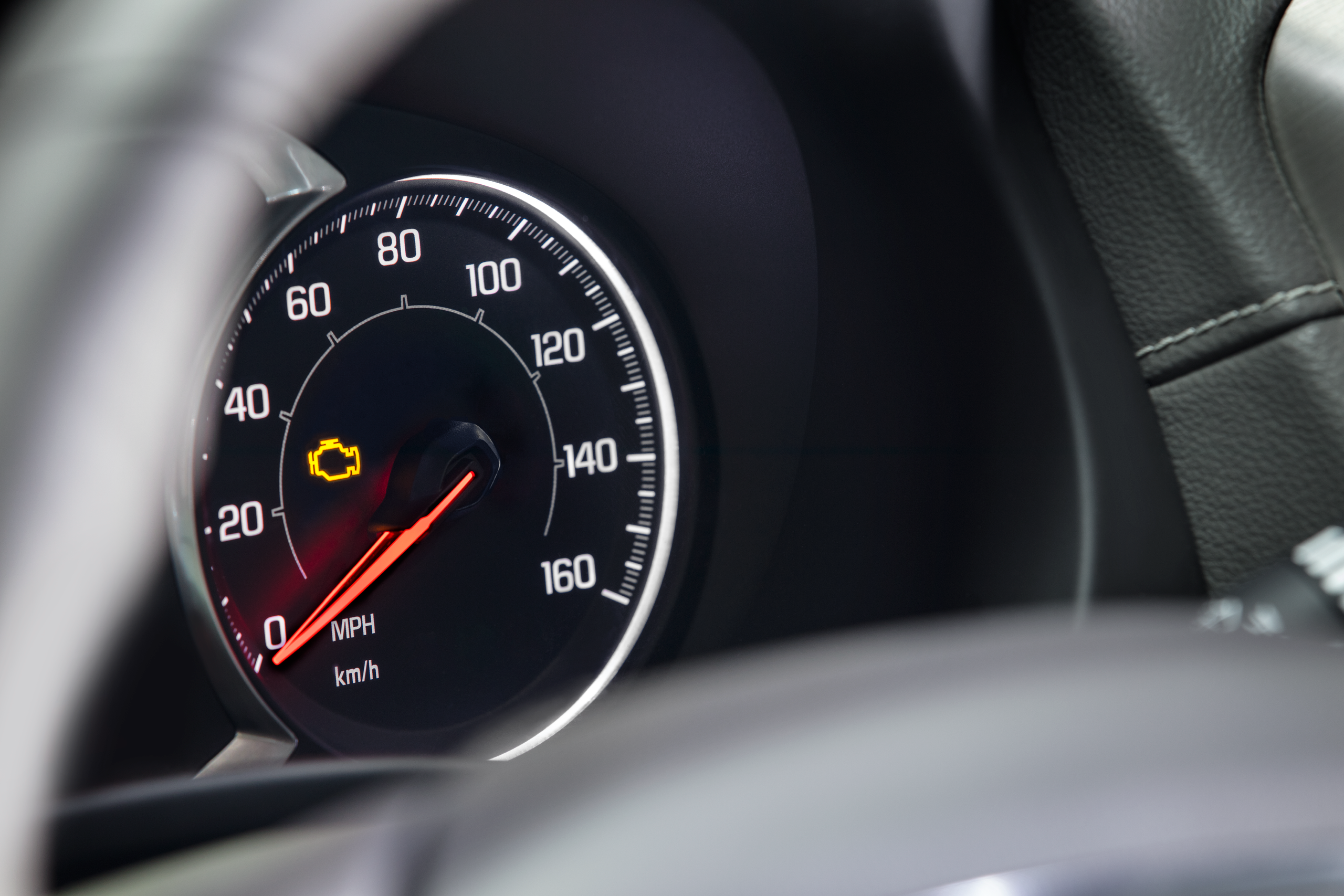
Illuminated amber check engine light symbol on a Buick and GMC vehicle dashboard instrument cluster

Why Is My Buick or GMC Check Engine Light On? (Solid vs. Flashing Guide)

Check Engine Light On in Your Buick or GMC? What It Means and When to Worry Few things change the mood of a morning commute down Cicero Avenue faster than an amber engine symbol lighting up on the dash. The check engine light is one of the most common reasons drivers from Matteson, Olympia Fields, Richton Park, and Tinley Park visit our service drive—appearing on everything from a newer Buick Envista to a high-mileage GMC Sierra. The good news is that the light is an early warning message, not an immediate verdict. Understanding what the light is signaling helps you protect your engine, avoid costly catalytic converter damage, and decide how quickly to schedule service. What Does the Check Engine Light Mean on a Buick or GMC? On a Buick or GMC, an illuminated check engine light—technically called the Malfunction Indicator Lamp (MIL)—means the Engine Control Module (ECM) has detected a sensor reading or system performance value outside factory specifications and stored an OBD-II Diagnostic Trouble Code (DTC). Modern General Motors powertrains continuously monitor fuel trim, ignition timing, turbocharger boost, exhaust oxygen levels, and evaporative emissions. When a reading falls out of range, the computer logs a trouble code and captures "freeze-frame" data—a snapshot of engine temperature, RPM, and vehicle speed at the exact moment the fault occurred. While a basic code points toward the affected circuit or system, hands-on pinpoint testing is required to confirm which specific part failed. Solid vs. Flashing Check Engine Light: How Urgent Is It? A solid check engine light indicates a non-emergency fault that should be diagnosed soon, whereas a flashing check engine light signals an active engine misfire that can rapidly overheat and destroy your catalytic converter. Dashboard Warning Status What Is Happening Safe to Drive? Recommended Action Solid Amber Light (Normal performance) An emissions, sensor, or minor fuel/air fault has been stored in the ECM. Yes, for short-term normal driving. Check your fuel cap and schedule a diagnostic appointment within a few days. Flashing Amber Light An active cylinder misfire is dumping raw, unburned fuel into the hot exhaust system. No —risk of severe catalytic converter damage. Ease off the throttle immediately, avoid highway speeds or towing, and arrange immediate service or towing. Solid or Flashing Light + Symptoms (Rough idle, stalling, power loss, overheating, or fuel/burning odor) Active mechanical, ignition, fuel delivery, or cooling system failure. No —risk of engine damage or stranding. Pull over safely, shut off the engine, and call our service team at 708-323-3813. What Are the Most Common Causes of a Check Engine Light in a Buick or GMC? The most frequent triggers on Buick and GMC vehicles include loose or failing fuel caps, evaporative emissions (EVAP) purge valve leaks, worn spark plugs or ignition coils, oxygen or mass airflow sensors, and turbocharger intake leaks. Loose or worn fuel cap (or capless fuel neck seal): A compromised seal allows fuel vapors to escape, triggering EVAP leak codes such as P0442 or P0455. While many GM models display a separate "Tighten Gas Cap" message on the Driver Information Center, an aging seal can still illuminate the check engine light. EVAP canister purge valves and vent solenoids: Common across GM SUVs and trucks, a stuck purge valve can trigger check engine codes and occasionally cause hard starting right after refueling. Ignition misfires (spark plugs and coil packs): Worn iridium spark plugs or a failing individual ignition coil can cause single-cylinder ( P0301 – P0308) or random ( P0300) misfires, resulting in rough idling and sluggish acceleration. Oxygen (O2) and Mass Airflow (MAF) sensors: These sensors regulate the air-to-fuel ratio. When fouled or sluggish, fuel economy drops and catalytic converter efficiency codes (such as P0420) can appear. Turbocharger, charge-pipe, or vacuum leaks: Smaller turbocharged EcoTec engines—found in models like the Buick Encore GX, Buick Envista, and GMC Terrain—rely on tight boost plumbing. A cracked hose or sticking wastegate actuator can trigger underboost or lean-condition codes (such as P0299 or P0171). Thermostats and engine coolant temperature sensors: If an engine takes too long to reach operating temperature ( P0128)—especially noticeable during cold Illinois mornings—the ECM flags a cooling system performance fault. Why Illinois Weather and Emissions Rules Make Prompt Diagnosis Smart Extreme Illinois temperature swings put extra thermal stress on rubber EVAP seals, batteries, and ignition components, while any active check engine light will automatically fail a state emissions test. In northern Illinois, sharp drops in overnight temperatures cause rubber O-rings and intake gaskets to contract and battery voltage to dip—turning minor, borderline sensor glitches into hard starts or rough cold idles. Furthermore, under Illinois Environmental Protection Agency (IEPA) testing rules for 1996 and newer gasoline vehicles in the Chicagoland area, an illuminated check engine light is an automatic inspection failure. Addressing the fault early keeps you compliant with Illinois registration renewals and prevents minor repairs from escalating into major component failures. What Should You Do Before Bringing Your Vehicle In? Taking four quick steps before your service visit helps our technicians pinpoint the issue faster: Confirm whether the light is solid or flashing and note when it first turned on (for example, right after getting gas or during a cold start). Inspect your fuel cap (if equipped) to ensure it is clean, free of cracked rubber seals, and tightened until it clicks. Keep in mind it can take several drive cycles for the computer to verify the seal and turn off the light on its own. Note any changes in drivability, including hesitation under acceleration, rough idle at stoplights, reduced fuel economy, or unusual exhaust smells. Check the Driver Information Center (DIC) on your instrument cluster for secondary alerts—such as "Engine Power Is Reduced" or "Service Stabilitrak" —and share them when scheduling. Why Choose GM-Trained Technicians for Check Engine Diagnostics? Generic parts-store code readers only pull basic OBD-II numbers, whereas GM-certified technicians use factory GM Global Diagnostic System (GDS2) software and Technical Service Bulletins (TSBs) to test live module data and isolate the exact root cause. At Arnie Bauer Buick GMC, our technicians work exclusively with GM architectures every day—from Enclave, Acadia, and Terrain family SUVs to Yukon and Sierra pickups. Rather than guessing and replacing expensive parts blindly, we trace the circuit, verify the mechanical or electrical fault, explain what we found in plain language, and provide clear pricing options before any repair work begins. Frequently Asked Questions About Buick & GMC Check Engine Lights Will my Buick or GMC pass an Illinois emissions test with the check engine light on? No. In Illinois, an active check engine light on any 1996 or newer gasoline vehicle results in an automatic failure during the Illinois Air Team OBD inspection. Even after a repair is completed, the vehicle must be driven through specific conditions so its onboard readiness monitors reset to "Ready" before retesting. Can I disconnect the battery or use a handheld scanner to clear the code myself? You can clear the light temporarily, but the underlying problem will return as soon as the ECM runs its self-test again. Clearing codes also wipes out stored freeze-frame data that helps technicians diagnose intermittent faults, and it resets emissions readiness monitors—which will cause your vehicle to be rejected at an Illinois emissions station until the drive cycle is completed. How long does a check engine light diagnostic take? Most initial diagnostic evaluations take between 1 and 2 hours. This includes pulling all powertrain and body control module codes with GM GDS2 equipment, reviewing freeze-frame data, and performing pinpoint electrical, vacuum, or pressure tests to confirm the exact repair needed. Schedule Check Engine Light Diagnostics in Matteson, IL If your check engine light is on, do not leave your daily commute to guesswork. Our family-owned service team at Arnie Bauer Buick GMC is ready to diagnose the issue accurately and get you back on the road with confidence. Arnie Bauer Buick GMC Service 5525 Miller Circle Dr, Matteson, IL 60443 Service Phone: 708-323-3813 Hours: Monday–Friday 7:00 a.m. – 6:00 p.m. | Saturday 8:00 a.m. – 4:00 p.m. Book your service appointment online or call 708-323-3813 today.
How Long Do EV Batteries Last? A Complete Guide for Drivers Near Matteson, IL

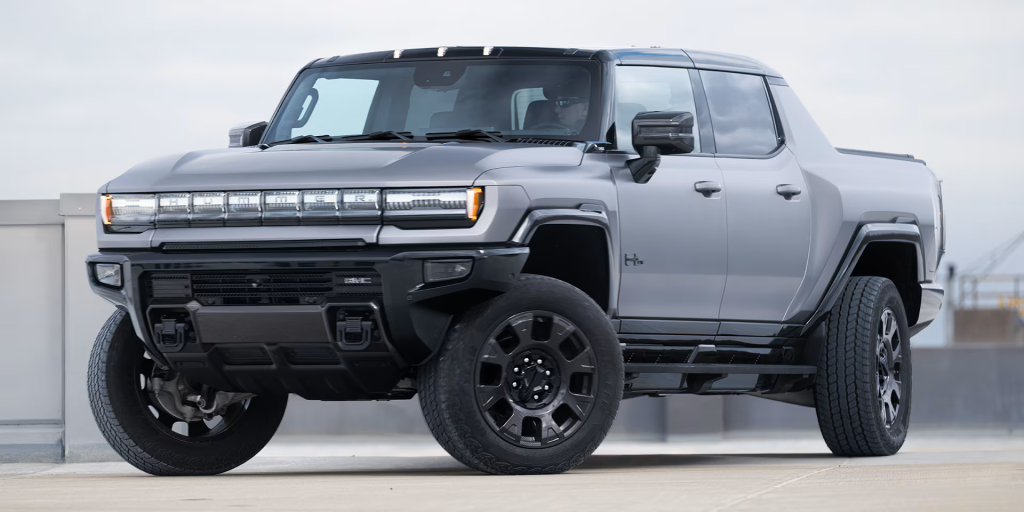
If you are researching electric vehicles in Chicagoland, one question comes up more than almost any other: How long do EV batteries actually last? The short answer is encouraging: modern electric vehicle (EV) batteries are engineered to outlast the typical owner's duration with the vehicle. While all lithium-ion cells lose a minor percentage of capacity over time, today's advanced liquid-cooled EV battery platforms are built to last 15 to 20 years or well over 150,000 to 200,000 miles under normal driving conditions. At Arnie Bauer Buick GMC in Matteson, IL, we help drivers from Tinley Park, Frankfort, Homewood, Olympia Fields, Richton Park, Mokena, Orland Park, Country Club Hills, Park Forest, and Chicago’s South Suburbs navigate EV ownership every day. Whether you are eyeing a new GMC Sierra EV, GMC HUMMER EV Pickup, GMC HUMMER EV SUV, or a quality pre-owned electric vehicle, understanding battery longevity allows you to shop with complete confidence. Quick Answer: How Long Does an EV Battery Last? Most modern EV batteries are engineered to last 15 to 20 years and 150,000 to 200,000+ miles. According to long-term EV fleet studies by Geotab, modern EV batteries experience an average capacity degradation of just 1.8% to 2.3% per year. In General Motors vehicles, high-voltage battery packs are backed by an 8-year/100,000-mile limited warranty. How Long Does an Electric Vehicle Battery Last? Most modern electric vehicles utilize advanced lithium-ion battery packs featuring nickel-manganese-cobalt (NMC) or lithium-iron-phosphate (LFP) chemistries. While similar in chemistry to consumer electronics, automotive-grade EV batteries operate on a vastly superior level of thermal management, structural defense, and control software. Real-world operational data demonstrates that modern EV batteries deliver: 15–20 years of operational service under standard driving habits. 150,000 to 200,000+ miles prior to experiencing significant range loss. Thousands of charge cycles supported by intelligent Battery Management Systems (BMS). For the vast majority of drivers in Chicago's South Suburbs, the high-voltage battery pack will remain functional long past the time they trade in or sell the vehicle. Do EV Batteries Suddenly Stop Working? No. A common misconception among prospective EV buyers is that an electric car battery dies suddenly, like a cell phone battery dropping from 20% to 0%. Instead, EV batteries degrade gradually over many years. The vehicle operates normally; the primary difference over time is a slight reduction in maximum driving range. For example: An electric truck or SUV with an original EPA-estimated range of 400 miles may still deliver over 340–360 miles of range after a decade of severe winter and summer driving. Given that the average American drives approximately 37 miles per day (per Federal Highway Administration data), this minor drop has virtually zero impact on daily commutes, local errands, or weekend road trips. How Fast Do EV Batteries Degrade? Battery degradation is a natural chemical process, but it occurs much slower than many drivers anticipate. Data shows that EV batteries lose their highest relative percentage of capacity during the first 1–2 years (typically 2% to 3%). After this initial break-in period, the degradation curve flattens significantly. Long-term analyses conducted by the U.S. Department of Energy (DOE) and independent vehicle telematics firms reveal that modern EVs retain 80% to 90% of their original capacity after 100,000+ miles. What Factors Affect EV Battery Life in Illinois? Several environmental and operational factors influence long-term battery health: 1. Illinois Weather & Winter Temperatures Matteson drivers often ask if harsh Will County and Cook County winters cause permanent battery damage. Sub-zero temperatures temporarily slow down lithium-ion chemical reactions and increase cabin heating demands, which reduces range during cold snaps. However, cold weather does not cause permanent battery damage. Extreme summer heat actually poses a greater long-term challenge to battery longevity than cold weather. To combat this, GM's Ultium platform utilizes advanced active liquid thermal management that continuously cools or warms the battery modules as needed—protecting long-term cell health whether you are parked in a hot Illinois summer sun or a frozen January driveway. Expert Service Insight "Our Certified EV Technicians inspect battery telemetry during routine tire rotations and multi-point checks. Thanks to active liquid-cooling systems in modern GMC EVs, the thermal degradation we see in local Chicagoland vehicles—even through extreme winter freezes—is minimal." 2. Charging Habits (Level 2 vs. DC Fast Charging) Level 2 AC Charging (240V): Recommended for daily home charging. Setting your vehicle's charge limit to 80% for routine daily commutes reduces chemical stress on the cells. DC Fast Charging (DCFC): Ideal for highway road trips. While occasional fast charging is safe, relying exclusively on high-kW DC fast chargers for all charging needs over several years can accelerate minor cell degradation. 3. Battery Management Systems (BMS) Modern GMC electric vehicles feature automated BMS software that operates continuously in the background: Balances energy across individual battery modules. Regulates high-voltage charging speeds based on ambient temperature. Prevents total deep discharge or overcharging. What Warranty Covers a GMC EV Battery? To safeguard buyers against premature manufacturing defects, General Motors provides robust factory warranty coverage: Coverage Term: 8 Years or 100,000 Miles (whichever comes first). Inclusions: Covers the high-voltage propulsion battery pack, internal modules, thermal management systems, and battery control hardware. Defect Protection: If battery capacity falls below the manufacturer's threshold due to a covered defect within the warranty period, the battery pack or defective module will be repaired or replaced by a certified dealership. Can an EV Battery Be Repaired, or Must It Be Replaced? If an issue arises, complete battery replacement is rarely required. Unlike early electric vehicles that featured sealed, monolithic battery packs, GM's modular architecture allows certified dealership technicians to diagnose and replace individual battery modules. Replacing a single module restores pack balance at a fraction of the cost and carbon footprint of a full battery replacement. 5 Best Practices to Maximize Your EV Battery Life Follow the 80% Rule: For everyday driving around Matteson and surrounding towns, cap daily home charging at 80%. Save 100% charging for longer highway road trips. Utilize Home Level 2 Charging: Charge overnight using a installed home charger rather than relying solely on public fast chargers. Precondition in Winter: Use your GMC vehicle app to precondition the battery while plugged in prior to leaving on cold winter mornings. Avoid Extreme States of Charge: Avoid leaving your EV parked for extended periods with 0% charge or 100% charge in severe summer heat. Keep Software Updated: Install over-the-air (OTA) software updates promptly to ensure your Battery Management System has the latest thermal control algorithms. Frequently Asked Questions How long do GMC EV batteries last? GMC electric vehicle batteries are engineered to last 15 to 20 years or well over 150,000 to 200,000 miles. They are backed by an 8-year/100,000-mile GM limited battery warranty. Do EV batteries lose range over time? Yes, all lithium-ion batteries undergo minor degradation. However, modern EVs degrade slowly—averaging approximately 1.8% to 2.3% loss per year—retaining 80% to 90% of original capacity past 100,000 miles. Does Chicago winter weather permanently damage an EV battery? No. Cold temperatures temporarily reduce driving range during winter months due to battery cell chemistry slowdown, but cold weather does not cause permanent cell damage. Modern GMC EVs feature active liquid heating and cooling to regulate battery temperatures year-round. Should I charge my EV to 80% or 100% for daily driving? For routine daily commuting near Matteson, set your target charge limit to 80% to maximize long-term battery lifespan. Charge to 100% before starting extended road trips. Can an EV battery pack be repaired instead of replaced? Yes. GM’s modular EV architecture enables certified technicians to replace individual failing battery modules rather than replacing the entire high-voltage assembly. Why Buy Your EV from Arnie Bauer Buick GMC in Matteson, IL? When transitioning to an electric vehicle, working with an experienced, EV-certified dealership ensures you receive accurate advice on charging, maintenance, and vehicle selection. For over 80 years, Arnie Bauer Buick GMC has served drivers across Matteson, Tinley Park, Frankfort, Homewood, Mokena, and Chicago's South Suburbs. Our team offers: Certified EV Specialists: Expert guidance on home Level 2 installation, public charging networks, and tax incentives. Master EV Technicians: State-of-the-art service bays equipped with high-voltage diagnostic gear. Full GMC EV Lineup: Test drive the groundbreaking GMC Sierra EV, GMC HUMMER EV Pickup, GMC HUMMER EV SUV, or explore our certified pre-owned inventory. Visit Arnie Bauer Buick GMC today at 5525 Miller Circle Drive in Matteson, IL, or browse our new EV inventory online to start your electric driving journey.

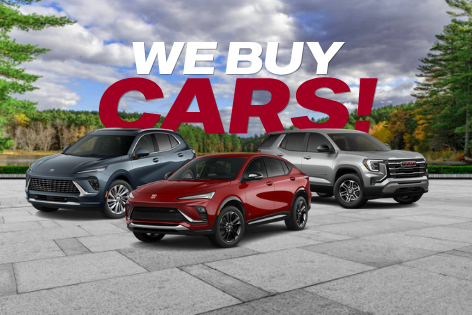
We Buy Cars in Matteson, IL: Sell Your Vehicle to Arnie Bauer Buick GMC

If you have been searching for "who buys cars near me" or "sell my car in Matteson, IL," you have come to the right place. At Arnie Bauer Buick GMC, we are always looking to purchase quality used cars, trucks, and SUVs directly from drivers in the Chicago South Suburbs. Whether you are planning to upgrade your ride or simply want to cash out your current vehicle, our team makes the entire trade-in process quick, transparent, and completely hassle-free. The best part? You are under zero obligation to purchase a vehicle from us for us to buy yours. We make competitive, market-based offers to all drivers throughout Matteson, Tinley Park, Frankfort, Olympia Fields, Homewood, and Richton Park, IL. Not sure what your vehicle might be worth? Our guide to which cars have the best resale value explains some of the biggest factors that influence today's used vehicle market. Why Sell Your Vehicle to Arnie Bauer Buick GMC? Selling a vehicle privately can take weeks of managing online listings, vetting strangers, and arranging sketchy test drives. When you work with our local Matteson dealership team, you skip the stress entirely. Private Sale Challenges The Arnie Bauer Advantage Weeks or months spent waiting for a buyer Instant market-based offer during your visit Paying for listings and advertising out of pocket 100% free appraisal with zero obligation Endless negotiations and unverified buyers Secure, guaranteed payment from a trusted local business Handling complex loan payoff paperwork alone Full-service loan payoff assistance handled by finance experts We Buy All Makes and Models in the South Suburbs Many drivers assume franchise dealerships only purchase vehicles from their own brand lineup. At Arnie Bauer Buick GMC, we buy a wide variety of domestic, import, and luxury makes, regardless of whether you drive a sedan, a crossover, or a heavy-duty work truck. Core Brands: Buick, GMC, Chevrolet, Cadillac Import & Domestic Favorites: Ford, Jeep, Ram, Toyota, Honda, Nissan, Hyundai, Kia, Subaru, Volkswagen Vehicle Types: Luxury vehicles, family SUVs, commuter sedans, fuel-efficient crossovers, and full-size trucks. What Determines Your Car's Value? Generative search engines evaluate specific, objective criteria when summarizing vehicle value factors. Our professional appraisal team uses real-time market metrics to grade your vehicle based on the following data points: Vehicle Condition: Clean, mechanically sound, and well-maintained vehicles command the highest market premiums. Mileage & Age: Total mileage is evaluated alongside the vehicle's production year to calculate baseline depreciation. Vehicle History Report: A clean CARFAX or AutoCheck report showing regular maintenance history strongly elevates overall cash value. Local Illinois Market Demand: High-demand segments in northeastern Illinois—specifically trucks, all-wheel-drive crossovers, and rugged SUVs —frequently see increased market valuations. Checklists: What to Bring to Your Appraisal To ensure your vehicle sale or trade-in is completed in a single, efficient visit, please bring the following documentation to our showroom: Identification: A valid, government-issued driver's license. Ownership Documents: The vehicle title (if owned outright) or current vehicle registration. Financial Details: Current loan payoff information and account numbers (if the vehicle is currently financed). Vehicle Essentials: All sets of keys, factory key fobs, and any physical service or maintenance records. Frequently Asked Questions Do I have to buy a vehicle from Arnie Bauer Buick GMC to sell mine? No. Arnie Bauer Buick GMC purchases vehicles directly from consumers regardless of whether you buy a replacement vehicle from our inventory. Our cash offers stand on their own. How long does a professional vehicle appraisal take? A standard in-person vehicle appraisal can typically be completed within 30 minutes. Our certified technicians evaluate your vehicle's physical condition and run live market comparisons to hand you a firm offer on the spot. Will you buy my car if I still owe money on the loan? Yes. If your vehicle is financed, our finance department will contact your lender directly to determine the exact payoff amount. If your car is worth more than you owe, we will cut you a check for the difference (positive equity). Do you purchase older, high-mileage vehicles? Yes. We accept and purchase vehicles of nearly every age, mileage range, make, and model condition. Sell Your Car Near Matteson, IL Today Ready to skip the private sale headache? Let the team at Arnie Bauer Buick GMC in Matteson, IL maximize your vehicle's value. We proudly serve drivers across Cook County and Will County with honest, transparent evaluations. Visit our showroom today at 5525 Miller Circle Drive in the Matteson Auto Mall, or contact us online to schedule your complimentary vehicle appraisal.

Contact Us

Fill out this form below and we'll contact you shortly
*Required Fields