



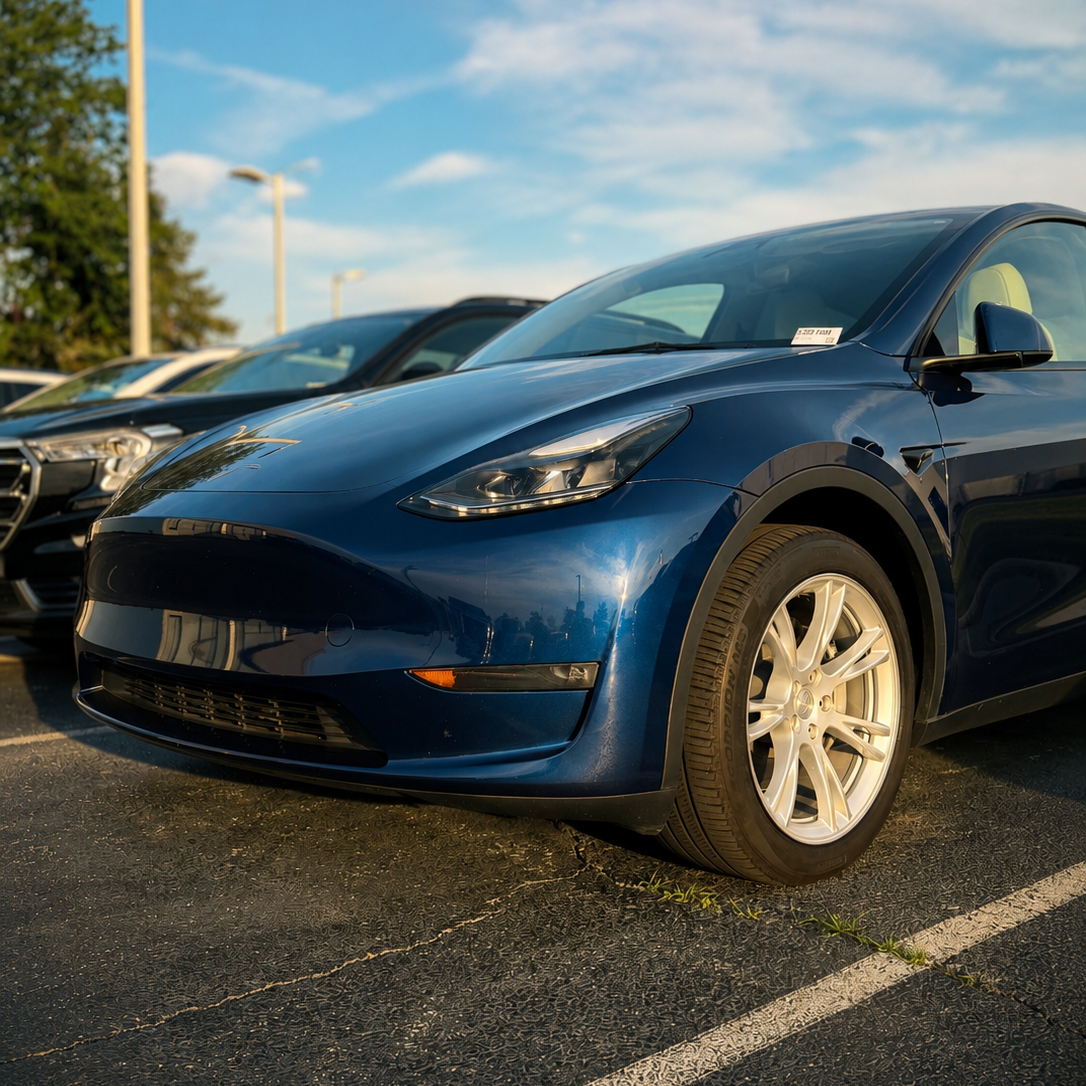
If you’re navigating the roads around Matteson, Frankfort, or Tinley Park, you’ve likely noticed more electric vehicles than ever before. As charging infrastructure grows and more drivers make the switch, electric vehicles are becoming an increasingly practical option across the Chicago South Suburbs.
If you’re considering going electric but want to keep your monthly payment affordable, a pre-owned EV can be an excellent value. But is buying a used electric vehicle actually worth it here in Illinois?
With changing federal incentives, evolving Illinois rebate programs, improving charging infrastructure, and a growing selection of quality pre-owned EVs, today’s market looks very different than it did just a few years ago. Here’s what you should know before making your decision.
1. Used EV Prices Have Become More Affordable
One of the biggest advantages of buying a used electric vehicle is depreciation. Like many new vehicles, EVs experience the steepest depreciation during their first few years of ownership. While that’s frustrating for the original owner, it creates an opportunity for used car shoppers.
A growing number of lease returns have entered the market in recent years, increasing inventory and helping narrow the price gap between many used EVs and comparable gas-powered vehicles.
That means you can often purchase a vehicle that’s only a few years old while still enjoying modern technology, advanced driver assistance features, smartphone connectivity, and impressive battery performance, all at a significantly lower price than when it was new.
2. Understanding Illinois EV Rebates
Illinois continues to offer one of the more attractive state rebate programs for qualifying electric vehicle buyers. Under the Illinois Climate & Equitable Jobs Act (CEJA), the Illinois EPA Electric Vehicle Rebate Program provides a $2,000 rebate on qualifying pre-owned EV purchases, with rebates of up to $4,000 available for eligible low-income applicants.
It’s important to understand that the program operates in funding cycles.
The current Illinois EPA rebate application cycle closed on May 31, and applications are temporarily paused until the next funding window opens. When a funding round is active, buyers generally must meet several eligibility requirements, including:
- The vehicle’s purchase price must not exceed $80,000.
- The vehicle must be purchased from a licensed Illinois dealership, such as Arnie Bauer Buick GMC.
- The rebate application must be submitted within 180 days of purchase during an active application window.
Federal Tax Credit Update
If you’ve read older articles discussing the previous $4,000 federal tax credit for qualifying used EV purchases, be aware that recent federal legislation ended that program. Today, Illinois buyers should focus primarily on current state rebate opportunities, dealership pricing, and overall vehicle value when shopping for a pre-owned electric vehicle.
3. How Do EVs Perform During Illinois Winters?
One of the most common questions we hear from drivers around Matteson, Tinley Park, and Frankfort is whether an electric vehicle can handle a Chicago-area winter.
The answer is yes, although it’s important to understand how cold weather affects battery performance.
Lithium-ion batteries typically experience a temporary reduction in driving range of approximately 20% to 30% during freezing temperatures. Much of that additional energy is used to warm the battery and heat the cabin.
For most commuters, this isn’t a significant concern. For example, if your daily commute between Matteson and downtown Chicago is approximately 60 miles round trip, a used EV with an EPA-rated range of around 200 miles should comfortably handle that drive even after typical winter range reductions.
Pro Tip: If possible, consider a used EV equipped with a heat pump. Heat pumps are generally more energy efficient than traditional resistance heating systems and can help minimize winter range loss.
4. Charging Around the South Suburbs
Charging an electric vehicle has become much more convenient throughout the south suburbs.
Many owners choose to install a Level 2 home charger, which may qualify for utility incentives through providers such as ComEd, depending on current program availability.
Public charging continues expanding throughout Matteson and nearby communities as well. Whether you’re commuting along I-57 or I-80 or running errands around the south suburbs, public fast chargers are becoming increasingly accessible, making EV ownership more practical than ever.
What Should You Check Before Buying a Used EV?
Before purchasing any pre-owned electric vehicle, take a few extra steps to ensure you’re getting the best long-term value.
Ask About Battery Health
Battery condition is one of the most important factors when purchasing a used EV. Ask whether a battery health report or manufacturer diagnostic is available so you can better understand the battery’s current capacity and overall condition.
Most major EV manufacturers also provide battery warranties for approximately 8 years or 100,000 miles, meaning many pre-owned models still include remaining factory battery coverage.
Verify Current Rebate Eligibility
If you plan to apply for an Illinois EV rebate, verify that both you and the vehicle meet the program’s current eligibility requirements. Because funding cycles and program rules may change over time, it’s always a good idea to review the latest Illinois EPA guidelines before completing your purchase.
Is Buying a Used Electric Vehicle Worth It?
For many Illinois drivers, the answer is yes.
Lower purchase prices, reduced fuel costs, fewer routine maintenance requirements, and available state incentives can make a used electric vehicle an outstanding value. When you combine today’s market pricing with careful shopping and an understanding of available rebate opportunities, a pre-owned EV can be one of the smartest vehicle purchases you can make.
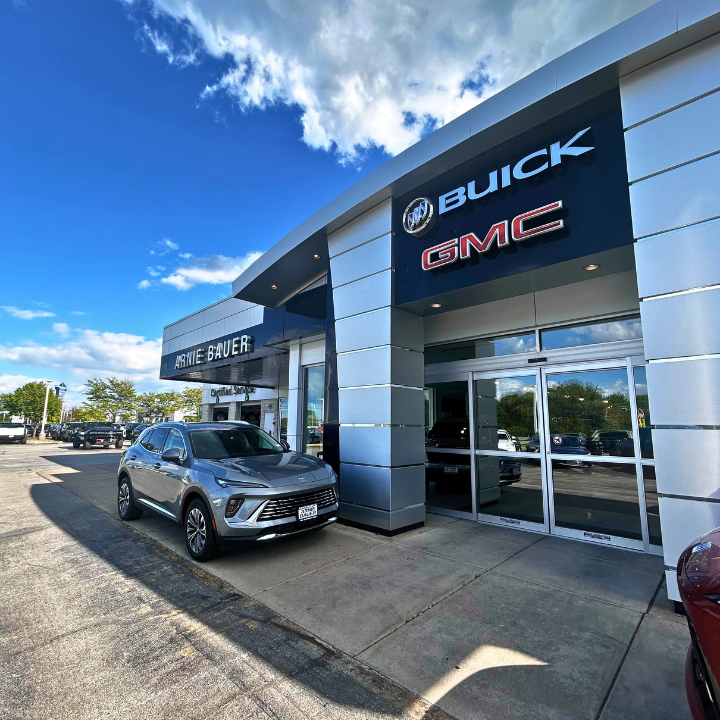
If you’re ready to explore your options, browse our selection of pre-owned electric vehicles or speak with our finance team about current market trends and available incentives. Visit Arnie Bauer Buick GMC in Matteson, IL, and we’ll help you find the right EV for your lifestyle and budget.
Is buying a used EV worth it in Illinois? For many drivers, yes. Used electric vehicles offer excellent value thanks to lower purchase prices, reduced maintenance costs, and lower fuel expenses compared to traditional gas-powered vehicles. While Illinois state EV rebates are only available during active funding cycles for eligible buyers, many used EVs remain a smart investment even without incentives. Before buying, review the vehicle’s battery health, confirm any remaining factory warranty, and choose an EV that fits your daily driving needs around Matteson, Tinley Park, Frankfort, and the greater Chicago South Suburbs.
Frequently Asked Questions About Buying a Used EV in Illinois
How long do electric vehicle batteries last?
Most modern electric vehicles are built with battery packs designed to last well beyond 100,000 miles. In fact, many manufacturers provide battery warranties for approximately 8 years or 100,000 miles, and many owners report excellent battery performance well beyond that. Before purchasing a used EV, ask if a battery health report or manufacturer diagnostic is available.
Is buying a used electric vehicle worth it?
For many drivers, yes. Used EVs have become significantly more affordable thanks to depreciation while still offering modern technology, lower maintenance costs, and reduced fuel expenses. If a used EV fits your driving habits and charging needs, it can provide excellent long-term value.
Do used electric vehicles qualify for rebates in Illinois?
Illinois offers rebates to eligible buyers who purchase qualifying used electric vehicles through the Illinois EPA Electric Vehicle Rebate Program when funding is available. Because the program operates in application cycles, it’s important to review the current eligibility requirements and application window before purchasing to determine whether you qualify.
How much range do electric vehicles lose during Illinois winters?
Cold weather can temporarily reduce an EV’s driving range by approximately 20% to 30%. This happens because the battery and cabin require additional energy during freezing temperatures. For many Illinois drivers, however, modern EVs still provide more than enough range for everyday commuting.
How much does it cost to charge an electric vehicle in Illinois?
The cost depends on your local electricity rates and where you charge. Home charging is often significantly less expensive than fueling a comparable gasoline vehicle, especially when charging overnight. Public DC fast chargers generally cost more than home charging but offer the convenience of faster charging while you’re on the go.
What should I check before buying a used electric vehicle?
Before purchasing a used EV, it’s a good idea to:
- Review the vehicle history report.
- Ask about the battery’s current health if a battery health report or manufacturer diagnostic is available.
- Verify any remaining factory battery warranty.
- Confirm the vehicle meets your daily driving needs and charging preferences.
- Check current Illinois rebate eligibility if you plan to apply.
Connect with us


